What Every Homeowner Should Know About Coverage Limits and Gaps
Reading Time: 3 minutes
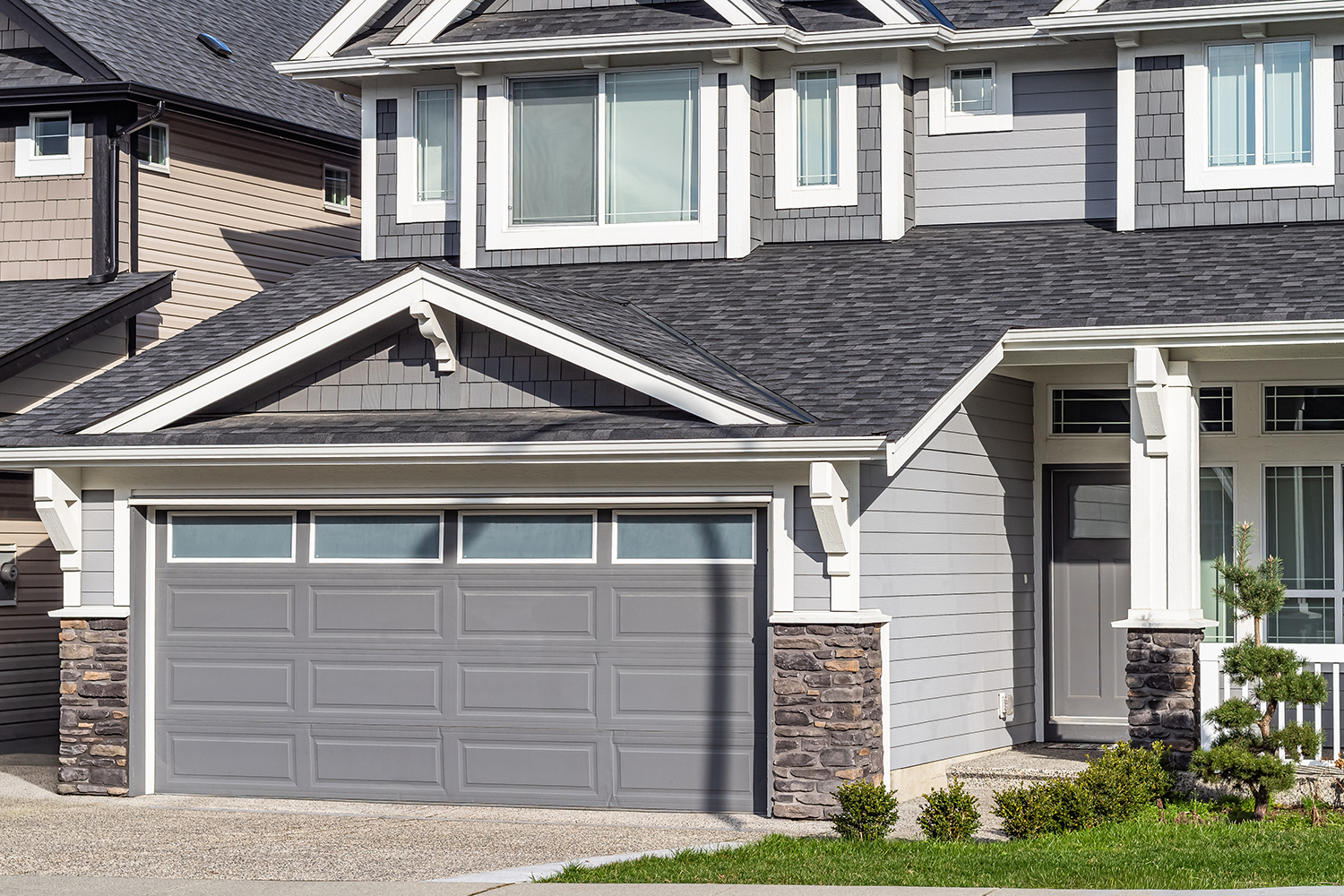
Your home insurance coverage is a powerful risk management tool. It can help you protect your home, safeguard your family and shield your finances. However, a standard homeowners insurance policy comes with coverage limits and exclusions that could leave you exposed to unexpected costs. You can fill these coverage gaps, but first, you need to understand what they are.
What’s in Your Home Insurance Coverage?
Standard home insurance coverage provides four critical protections:
- Property insurance for the structure of your house, as well as detached structures, such as sheds.
- Property insurance for your personal belongings, such as furniture, electronics and clothes.
- Additional living expenses to cover costs associated with having to find another place to stay due to property damage.
- Personal liability coverage for certain types of lawsuits, as well as no-fault medical coverage for third-party injuries.
Understanding Your Coverage Limits
If you have a covered loss, your insurer will pay up to the relevant limit. To make sure you have enough coverage in the event of a loss, you need to verify that your limits are sufficient. Over time, you will need to raise your limits to keep up with increases in your home’s value and construction costs. And watch out – many policies include a coinsurance clause that penalizes homeowners for underinsuring their homes. If you don’t maintain adequate coverage for your house, any claim payouts you receive could be reduced as a result.
Home insurance coverage also contains sublimits that apply to certain types of losses, such as damage to personal belongings or liability claims. If you have high-value items, your home policy’s standard coverage limits may not provide sufficient coverage, but you can secure extra coverage with an add-on endorsement or a separate policy. Likewise, if you are worried about your liability risks, you may want to increase your liability limits. You can also secure an umbrella insurance policy for extra liability coverage on all underlying liability policies, such as home and auto.
Beyond coverage limits, you also need to consider the type of coverage you have. A policy that provides actual cash value will subtract depreciation from your claim payouts. For items with significant depreciation, such as roofs, this can mean you don’t receive enough money to cover the full cost of repairs. A policy that provides replacement cost coverage does not subtract depreciation and provides better coverage as a result.
Not All Losses Are Covered
A standard home policy covers many common losses, including fire, smoke, lightning, wind, hail, theft, vandalism and sudden and accidental damage. If a burglar breaks in, a storm blows your roof apart, an unexpected freeze causes a pipe to burst or a wildfire ravages your property, you likely have coverage under your policy.
However, certain perils are routinely excluded, such as:
- Wear and Tear. Over time, your home will need repairs due to regular aging. Homeowners insurance does not cover this. Homeowners are expected to budget for maintenance costs.
- Appliance Malfunction. If your AC unit is damaged in a fire, your home policy should cover it because fire is a covered peril. However, if your AC simply stops working, your home policy will not pay for a replacement.
- Sewer Backup. A standard home policy does not cover sewer backup damage, but you can secure this coverage by adding an endorsement to your policy.
- Flood. Homeowners insurance does not cover flood damage. If you want flood insurance, you need to purchase a separate policy.
- Earthquake. Standard homeowners insurance also excludes earthquakes, landslides and other land movements. You can purchase earthquake insurance.
- Rental Activities. If you’re renting out your home, you’ll need to secure rental property coverage. Some insurers offer endorsements to cover short-term rental activities, for example, if you use Airbnb to rent out your house. If you rent your house long-term, you’ll need landlord insurance, and you may want to require your tenants to maintain renters insurance.
Are You Covered?
Don’t let homeowners insurance gaps catch you by surprise.
- Are your limits and sublimits sufficient?
- Do you need additional coverage for high-value items, such as jewelry?
- Are you interested in additional liability protection?
- Do you want to add any endorsements to obtain additional coverage, such as for sewer backup damage or rental activity?
- Do you want to buy additional policy types, such as flood or earthquake insurance?
We can help you obtain coverage that meets your needs. To get started, request a home insurance quote.